
Pickup Interviews
Just Because Production is Done, Doesn't Mean Production is Done

I’d never been in the Washington Post before. Despite cuts and shocking decisions by its ownership, it was still inspiring to be in the lobby. As I sat and waited for my source to come get me, I soaked it all in. I was entering the halls where they broke Watergate.
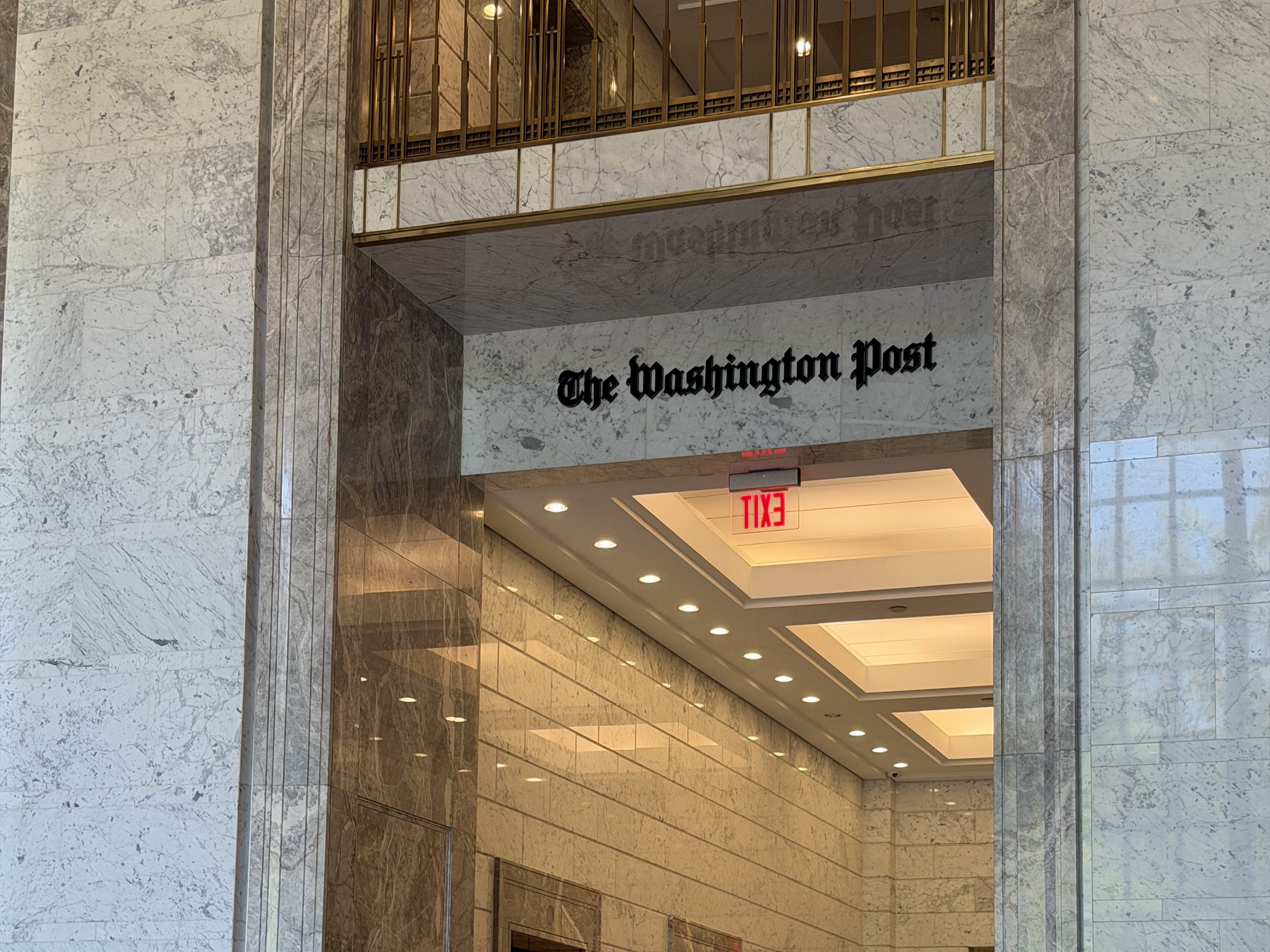
I was just there for a pickup interview. We’ve finished principal production and mainly put the cameras away, but occasionally in the edit, things pop up. Questions need to be answered, and footage holes need to be filled. In this case, I was meeting with the former editor-in-chief of the Baltimore Banner, Kimi Yoshino. She left the Banner a year ago for the Washington Post, where she’s now the managing editor.
During filming, we had a long sit-down interview with Kimi at the end. I hired a director of photography for the interviews; he lit it beautifully, and we spent a couple of hours going through as much as we could. We also had dozens of on-the-fly interviews while filming vérité. That’s still not enough. Once you start cutting, you realize you need more. You need lines to emphasize things and lines to connect.
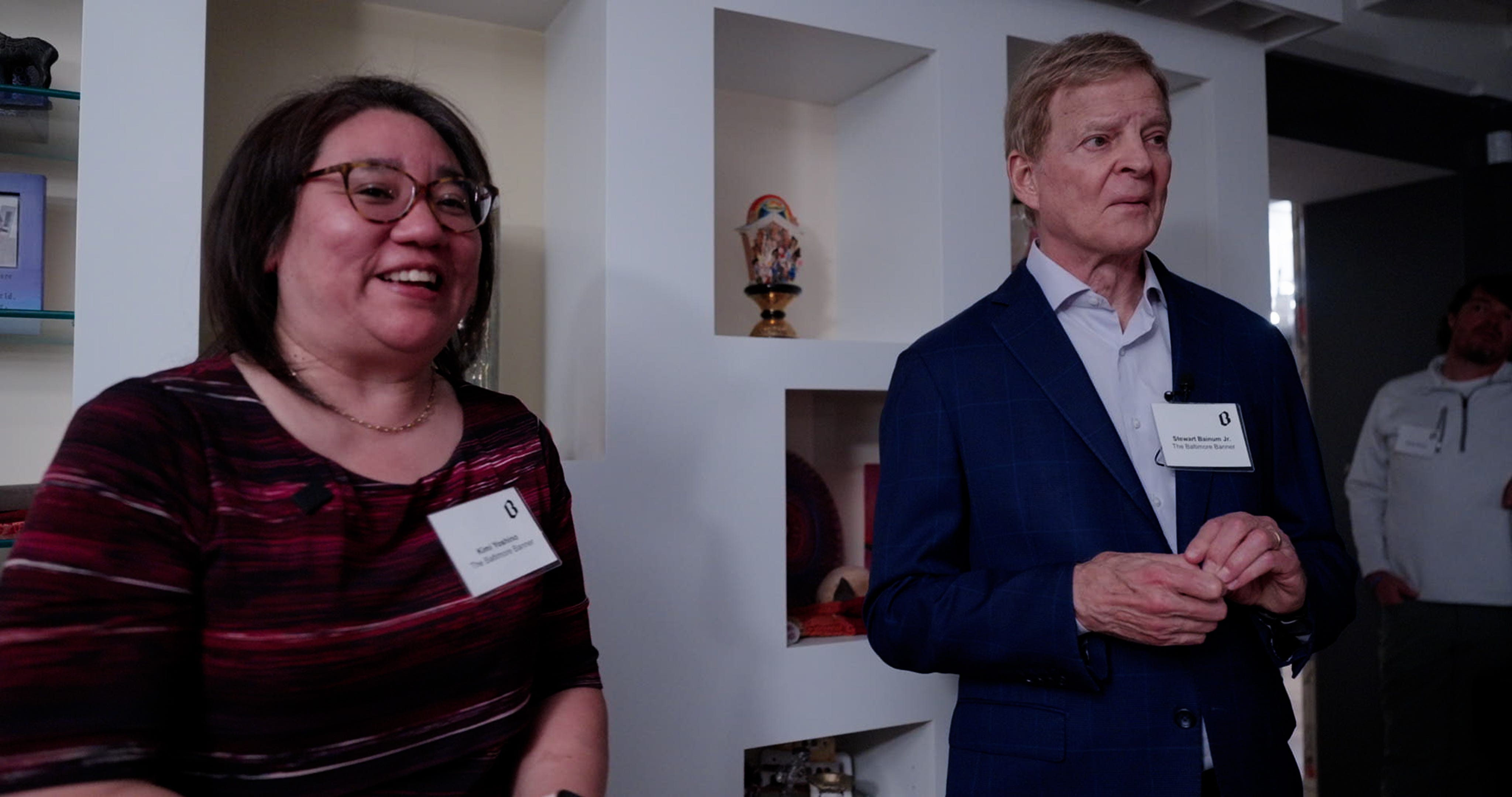
Because we had so much footage already, we decided I just needed to record the audio. My Rode Wireless Pro modules also record 32-bit float, so I used those. Mic’d her up as I normally would for vérité and we talked for another 45 minutes.
We went through each storyline again and I asked questions about things I wanted to emphasize. How certain reporters grew under her management, how important readers are to local democracy and what the Pulitzer meant to the newsroom. I tried to couch my questions so she’d answer in the present tense. I didn’t ask her to speak in the present tense because that is awkward and didn’t feel journalistically ethical.
It wasn’t just Kimi; I recently also met with Investigative Reporter Julie Scharper for a pickup interview. It was not as glamorous as an editor’s office at the Washington Post. We sat in the front seat of my car and talked through the Greater Grace investigation. I needed more concise explanations of certain things. Again, I mic’d her up with the Rode Wireless Pros. They sounded great and it’s what I used during production, so it matched.
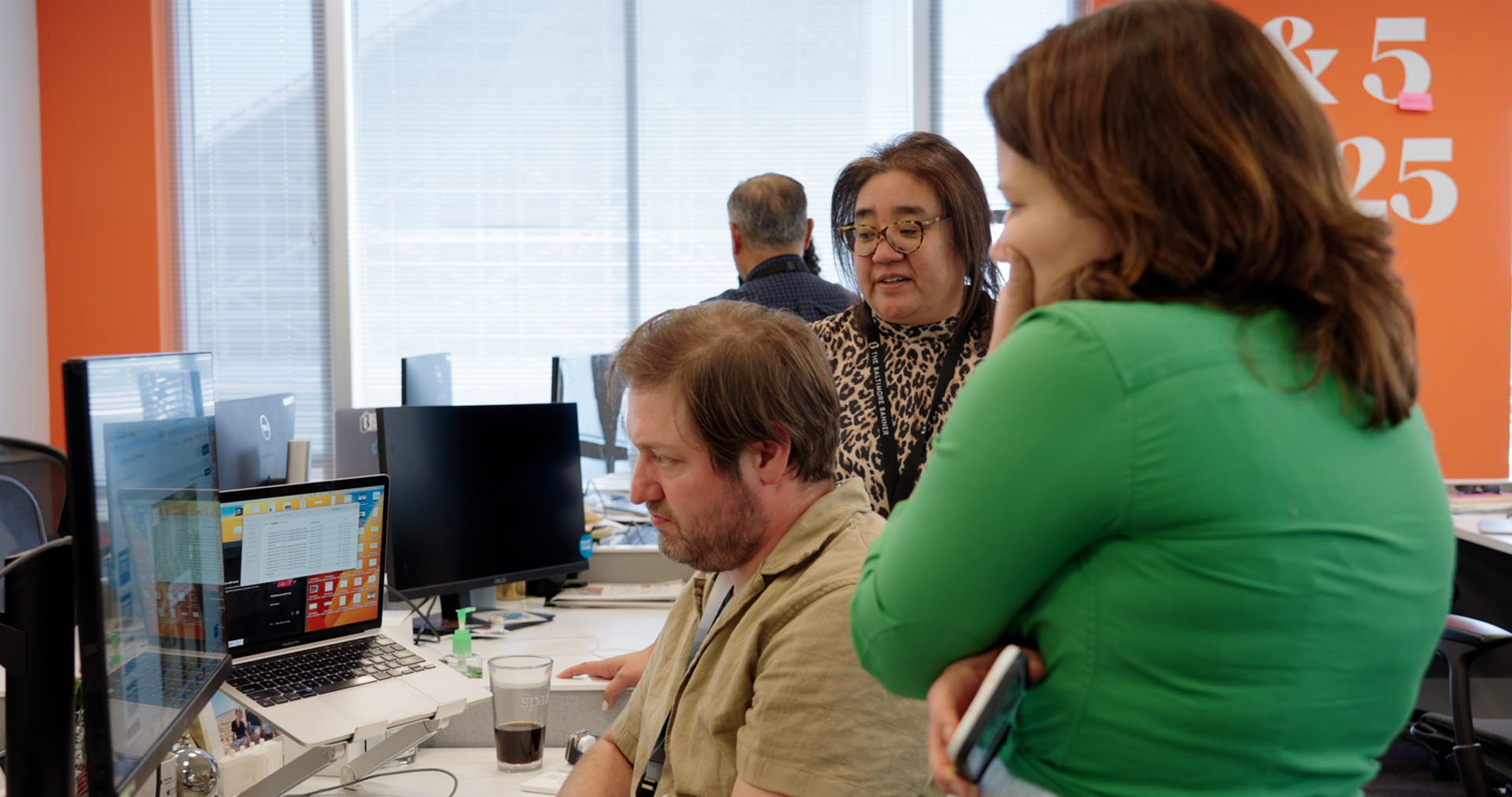
I went in with a list of questions that I needed answered, but I didn’t stick to that. If the conversation went a different direction, I kept heading that way. Just like any good interview, it’s about the flow. I made sure I hit the points I needed to and repeated questions if the answer didn’t work. It was much easier to conduct an interview without a camera; I feel jealous of podcasters.
I will probably have to do the same with Emily Sullivan, the Banner's former city hall reporter and the other main storyline in my documentary. I followed her as she reported out the city election. She left the Banner while we were still in production.
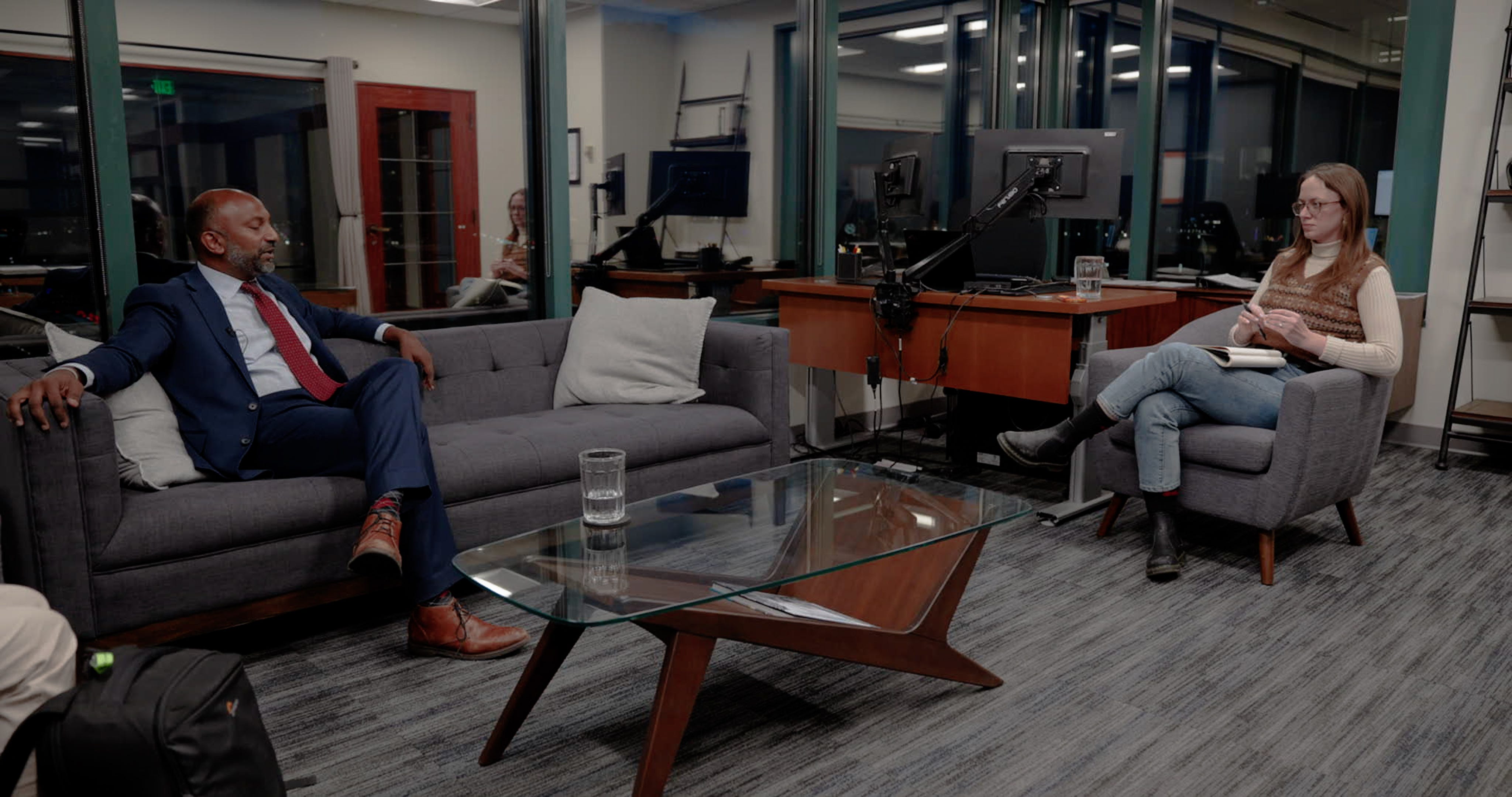
Pickup interviews aren't the only production work still happening.
I’ve also been filming locators. Scenes of Baltimore that really show its personality. Adam, my editor, and I were inspired by the TV show, The Bear. We want to represent Baltimore the same way The Bear shows Chicago. A vibrant character. Creative, artistic, and thriving. An underdog, punching above its weight, just like the Baltimore Banner and the Baltimore Sun before that.
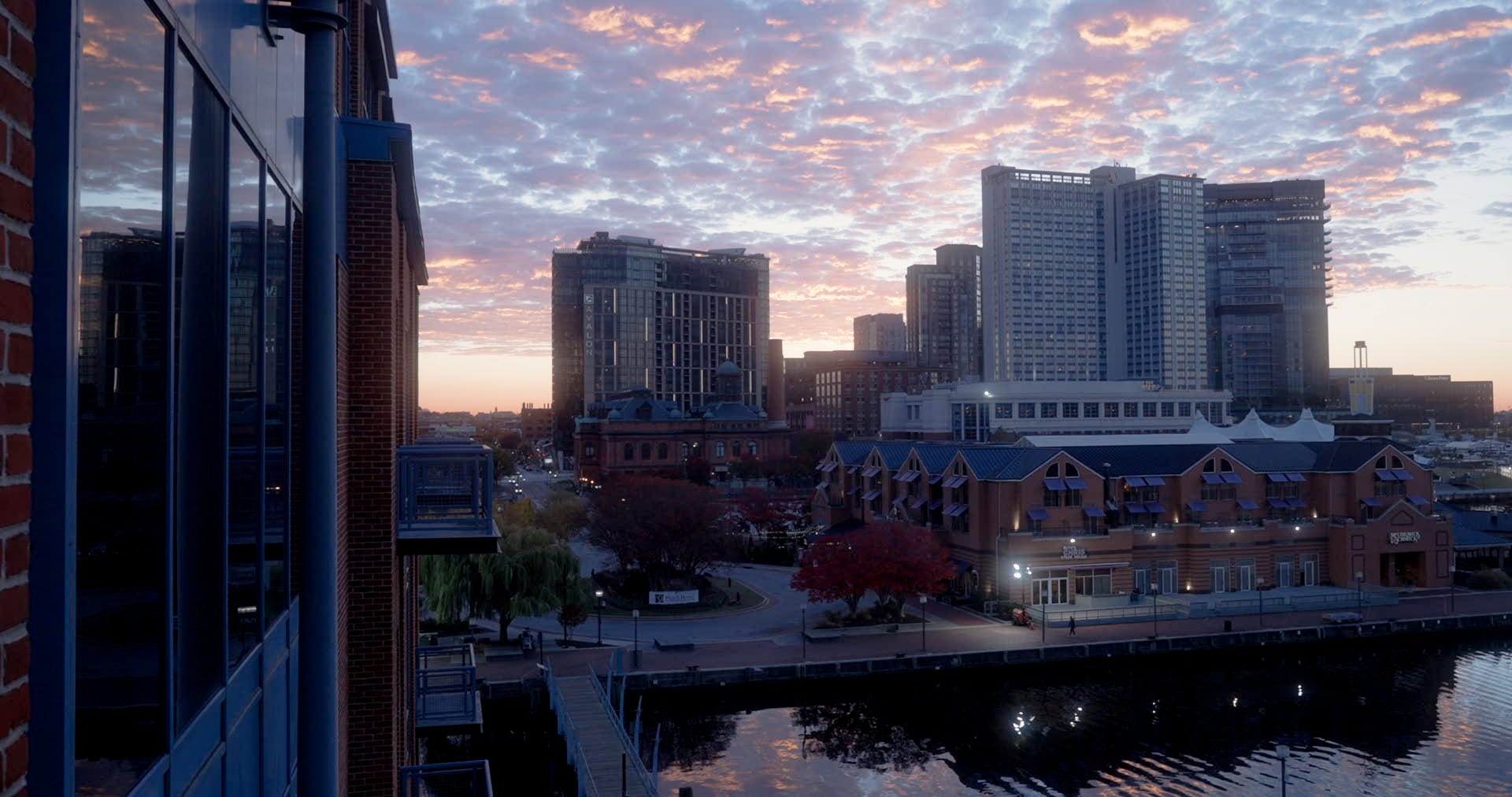
Every few weeks, I’ve gone out and filmed. I started early in the morning, before sunrise to get the city waking up and people heading off to work and school. We’ve got Ravens tailgating, Orioles opening day crowds, and people walking around the Mount Vernon Place Flower Mart, eating Baltimore lemon sticks. I’m in the process of setting up a shoot with Baltimore arabbers, and if fundraising goes as planned, we’re going to license footage from other Baltimore filmmakers showing their own neighborhoods to round things out.
We also realized I didn’t have the proper introduction for Julie, so I rode into work with her to get more footage of her heading in for the day. I took the light rail back, getting footage of people commuting on the trains.