
Press On
On the eighth anniversary of the Annapolis shooting, why local news matters more than ever

During my Seed and Spark crowdfunding campaign for Queen of the Capital, Rob Hiaasen made a contribution. I thanked him and he wrote back, “Art lives!” Just a few months later, on June 28, 2018, Rob was one of five people murdered at the Capital Gazette newspaper offices in Annapolis, Md. I think about that almost every time I go out to film A Banner Year.
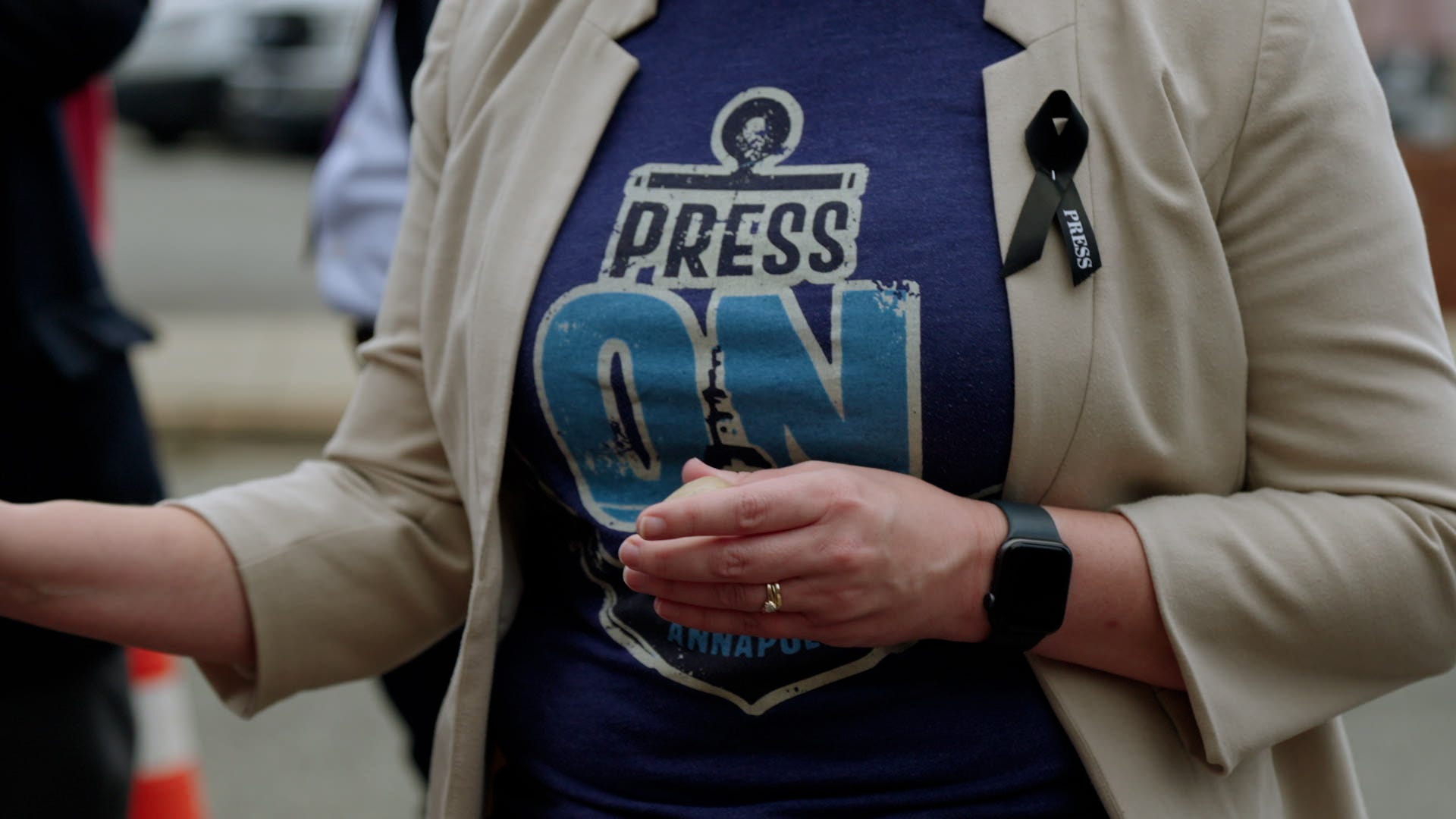
Sunday is the anniversary of that day. We remember the people who were killed, Wendi Winters, John McNamara, Gerald Fischman, Rebecca Smith and Rob. We also remember that they were killed while doing journalism. It remains the deadliest attack on journalists in decades, but it doesn’t exist in a vacuum.
Threats can come almost daily for local journalists. Normally, it’s just an angry email, tweet or post. For the past decade, we’ve seen a trickle-down effect from the administration, with the president calling reporters “enemies of the people.” That rhetoric trickles down into the communities where we work, report, and live.
It’s not only physical violence threatening the press. There are dangerous and frivolous lawsuits launched, predatory hedge funds and private equity squeezing newspapers dry, and conglomerate consolidation in local TV.
Every week, two American newspapers shut their doors. News deserts reached an all-time high in 2025, according to a study by the Medill School of Journalism at Northwestern. News deserts have no journalists. No one is watching those in power and studies show that when that happens, corruption grows.
The widest reaching threat is hedge funds like Alden Global Capital, that are acquiring newspapers nationwide, selling off assets, laying off staff, and leaving communities without local journalists. They extract profit by selling ads and subscriptions while gutting newsrooms to skeleton crews, if there’s a staff at all (called ghost papers).
On a national level, Major newspapers like The Washington Post and the LA Times have laid off hundreds of journalists. The Federal government cut funding to public broadcasting, killing NPR stations in small towns.
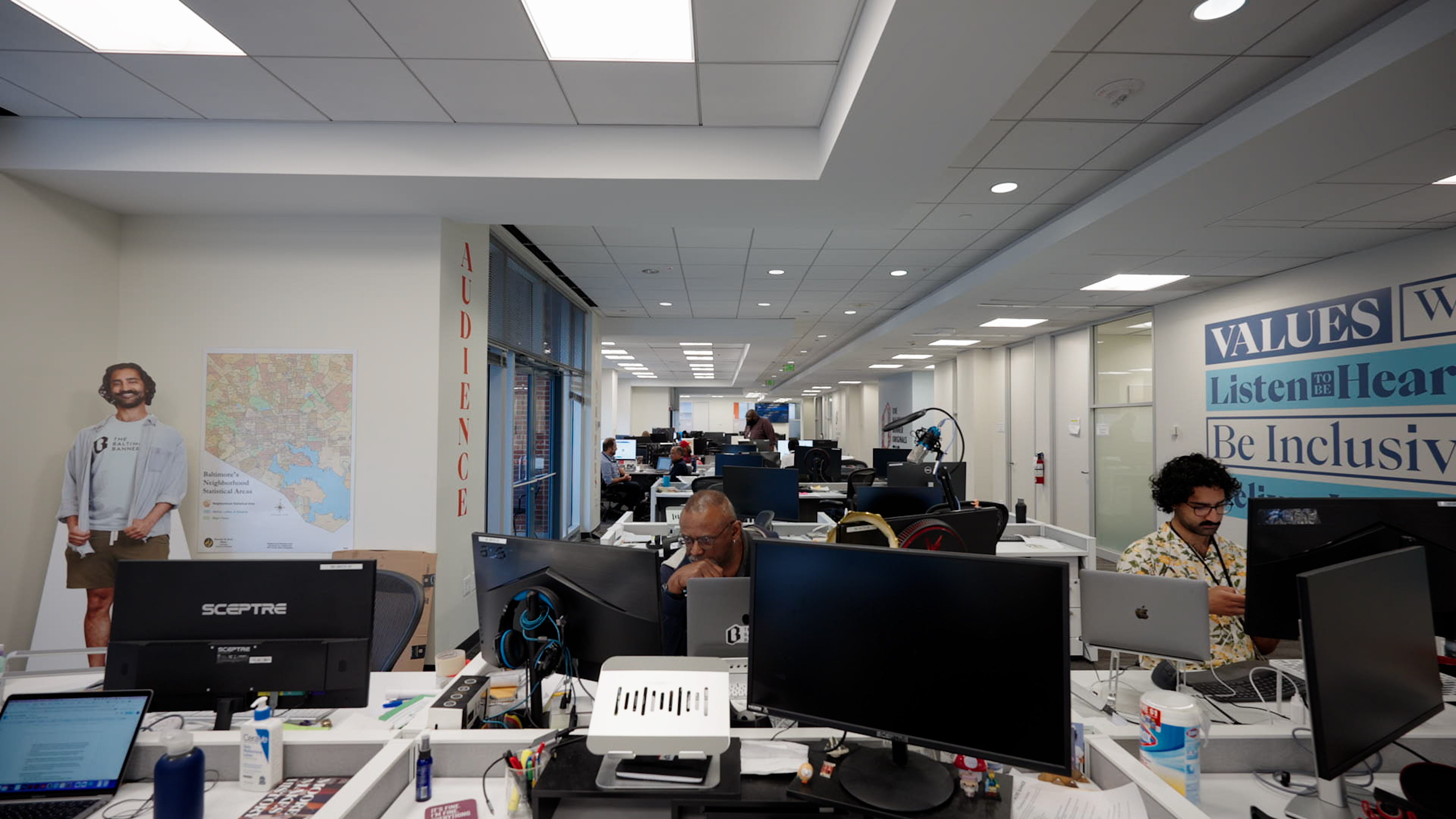
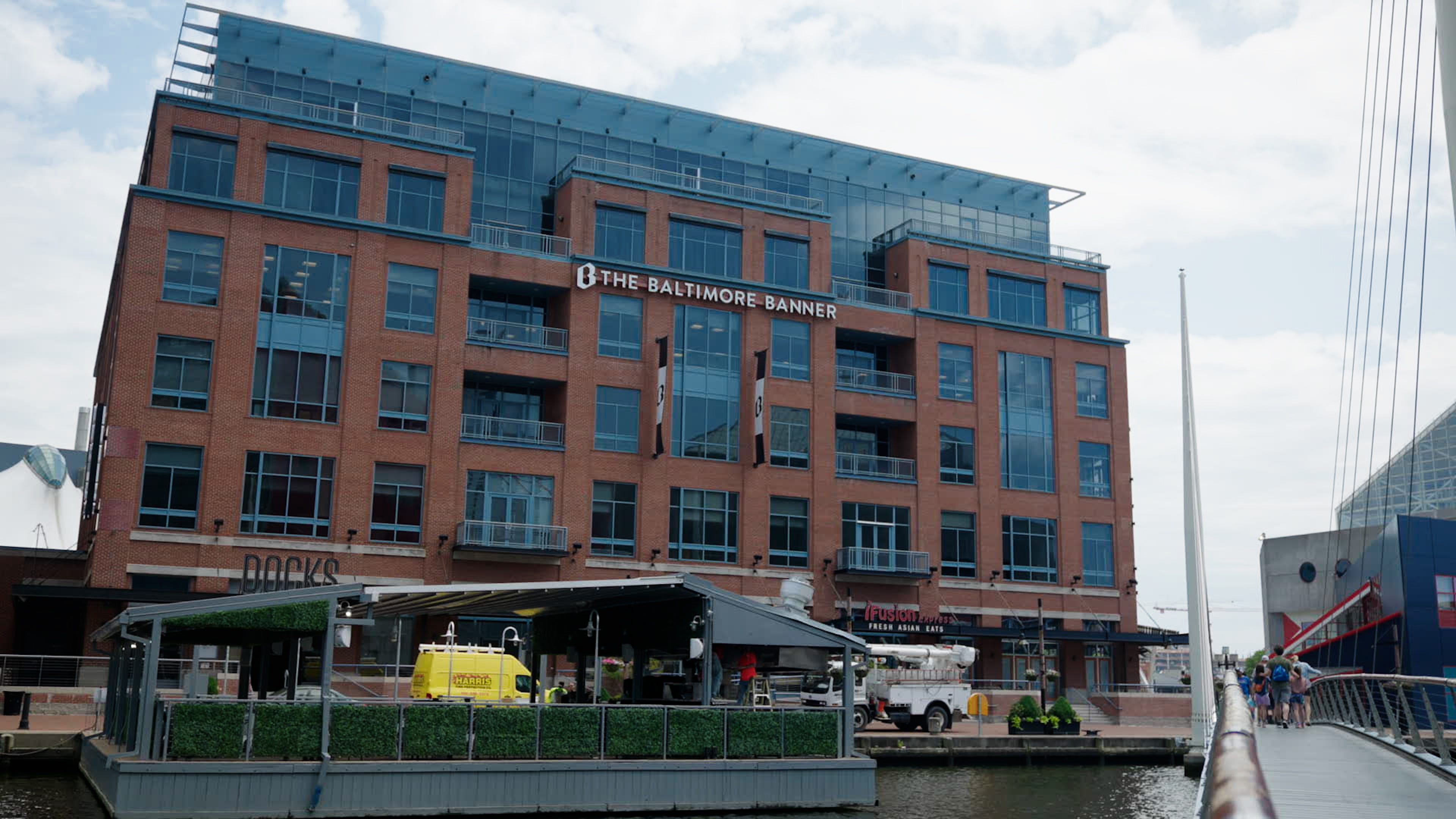
There is some good news. In Maryland, when Alden Global Capital bought Tribune, Philanthropist Stewart Bainum swooped in and launched The Banner. Days before the Pittsburgh Post-Gazette was slated to close, the Banner’s parent 501(c)(3) swooped in to save it. Nonprofit news organizations are popping up all over the country. Papers like the New York Times and Boston Globe have figured out how to run a newsroom profitably. There are new models and experiments happening every day.
People are starting to notice, and there’s a simple thing you can do. Subscribe to a local newspaper. Donate if it’s a nonprofit. Become a member of your local public radio or TV station. We have to pay for good journalism.
Find nonprofit news organizations near you at inn.org.
Press On
What I’m watching (Freedom of the Press Day Edition)
Seized
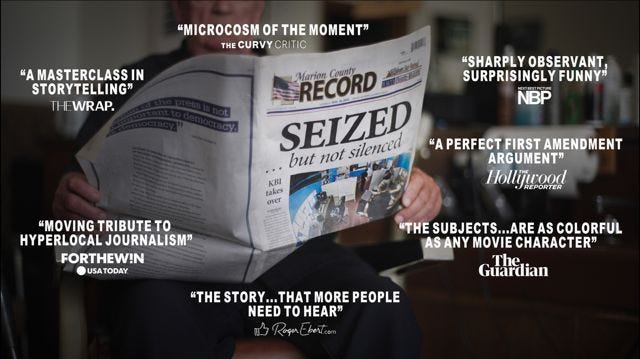
Logline: When Marion, Kansas, is thrust into the international spotlight after a police raid on the Marion County Record and the death of its 98-year-old co-owner, a fierce debate ignites about abuse of power, journalism, and the U.S. Constitution.
Last weekend I saw this at DC/Dox. The director announced that it’ll be available on HBO in the Fall.
Storm Lake
Logline: Pulitzer Prize–winning journalist Art Cullen and his family fight to unite and inform their Iowan farming community through their biweekly newspaper, The Storm Lake Times—come hell or pandemic.
Available free on Pluto: Watch Now